
Sandy Springs, Georgia
AC and Heating Repair in Sandy Springs, GA With an Honest Verdict on Replacement
Air conditioner and furnace repair, heat pump work, new systems, seasonal checkups and commercial service, each one starting with a plain read on whether your equipment is still worth the money to fix.
- Neighboring townsDunwoody, Roswell, Brookhaven, Vinings, Johns Creek
- Work we take onCooling, heating, heat pumps, seasonal tune-ups and commercial rooftop equipment
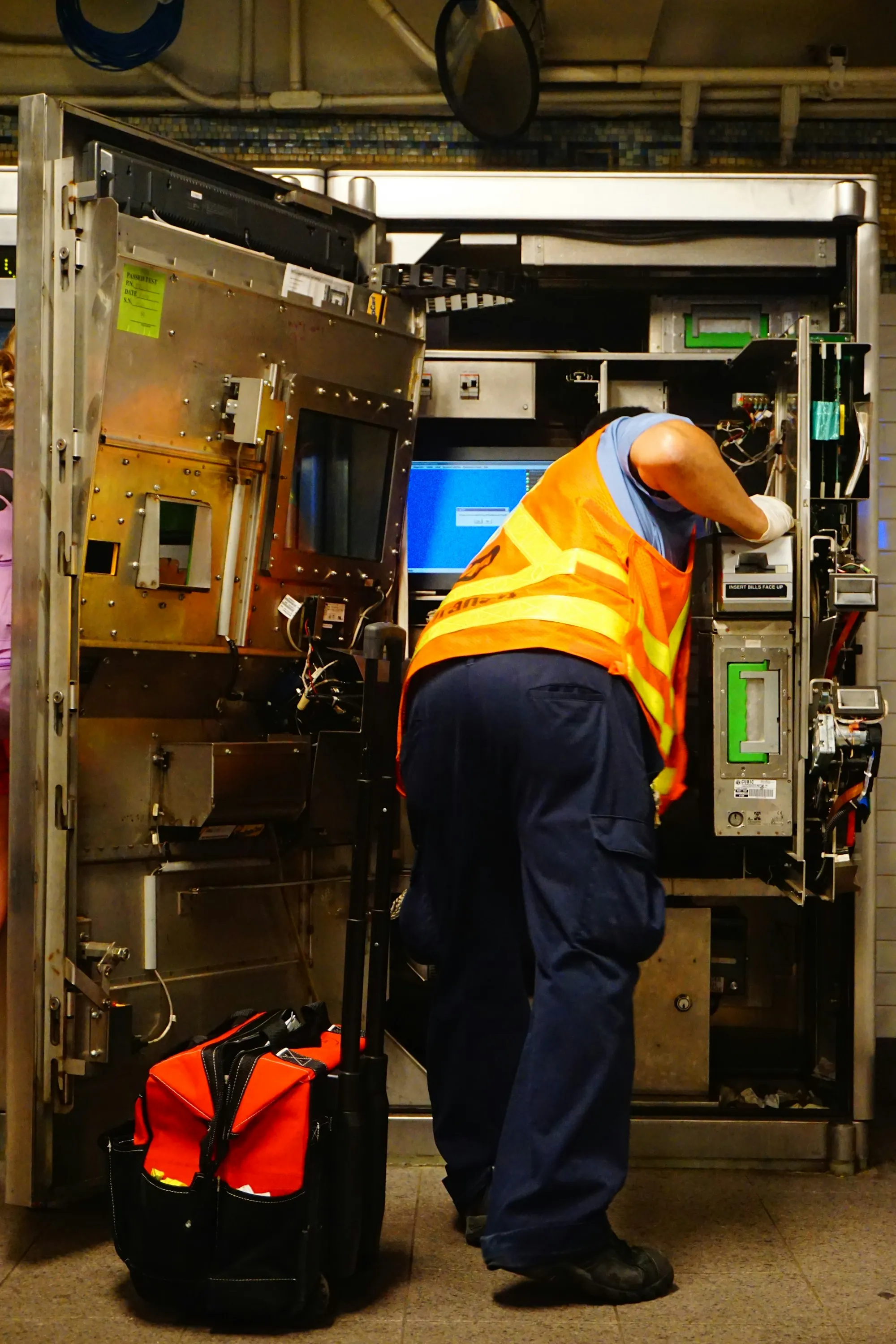
How an estimate from us reads
Fix-or-replace math in plain view
Age, past repairs and today's bill set out together before you choose.
Capacity matched to the house
New equipment chosen for your rooms and ducts, never a guess from the old label.
Drop cloths and shoe covers
Floors protected, the work area left tidy and old equipment carried off.
Weekend daytime visits
The appointment book stays open seven days a week.
Houses and commercial buildings
Residential splits and rooftop units handled by the same crew.
Heating and Air Work, Each Job Priced Before It Starts
Each job below opens the same way: a technician takes readings before offering an opinion, and you see the figure before a single screw is loosened. Skim the list and you will probably spot your situation before you ring us.
AC Repair
When the condenser hums but the house keeps warming, we track the failure to its source, whether that is a tired capacitor, a burnt contactor, a seized fan motor, a refrigerant leak or a drain line clogged solid, then tell you what the fix costs and whether it makes sense on equipment your age.
AC Installation & Replacement
If replacing is the smarter money, the new air conditioner is sized for your home and its ducts, paired with a matching indoor coil, connected with proper lines, drain and wiring, permitted where the county or city asks for it, then started and measured before we leave.
Heating & Furnace Repair
A furnace that stays cold, lights and quits, or blows air that never warms up gets diagnosed one component at a time, from the igniter and flame sensor to the inducer motor, limit switch and blower, with the price agreed before any part is changed.
Heat Pump Services
Heat pumps carry the house through both seasons, so repairs, replacements and new installs cover cooling, heating, defrost behavior, backup heat in a cold snap and dual-fuel setups that hand off to a gas furnace.
HVAC Maintenance
A cooling checkup in spring and a heating checkup in fall, with coils and drains cleaned, electrical parts and safeties tested, refrigerant and airflow measured, the filter changed and a written summary left behind.
Emergency HVAC Repair
Cooling gone during a heat wave, heat gone on a freezing night, water coming through a ceiling or a burning smell from the vents: the emergency line is answered 24/7 and you get clear instructions while a technician heads over.
Commercial HVAC
Office suites, storefronts, restaurants, churches and medical practices running rooftop packaged units, split equipment or zoned systems get service and replacement planning that works around business hours.
Six Steps, Start to Finish
The first conversation
You walk us through the symptoms, about how long the equipment has been in, and anything strange you have noticed along the way, whether that is a rattle, a smell, water near the furnace or a breaker that keeps flipping, so the right person shows up with the right parts.
Measure before talking
The technician opens the equipment, takes electrical, refrigerant or gas readings and narrows the possibilities down to the actual failure, because a guess that quiets the symptom for a week is not a repair.
The verdict and the number
You hear what failed, what the fix costs and, on older equipment, how that compares with replacing it, laid out plainly enough that you could explain it to someone else before deciding anything.
Careful work
Drop cloths go down, shoe covers go on and the parts or new equipment go in, with the work area kept neat and anything removed loaded onto our truck.
Proof it works
The system runs through cooling and heating while temperatures, pressures, airflow and safety controls are checked, so the job is confirmed rather than assumed.
The handoff
Before the tech leaves, you get a rundown of what was done, any registration steps for new equipment and a few practical habits that help the system run well between visits.
What Customers Notice About the Way We Work
Plenty of companies can swap a part. These four habits are what people mention when they call us back the next season.
Equipment sized to the house, not the old sticker
Copying the tonnage off a unit installed decades ago can repeat an old mistake. We weigh square footage, insulation, glass and the size and condition of every duct run before choosing capacity, so upstairs bedrooms cool properly and humidity actually comes down.
A clean, careful crew
Floors get covered, shoes get covered, and the closet or attic is left the way we found it. Old condensers, coils and furnaces leave with us, so you are not stuck figuring out what to do with them.
Daytime appointments seven days a week
Equipment does not wait for the workweek to fail, and neither do we. Regular repairs and checkups are booked any day of the week, so a weekend problem does not have to sit.
Homes and businesses under one roof
The same team that fixes a split system in a townhome services rooftop units over an office or restaurant, so property owners and managers with both kinds of buildings make one call.
Sandy Springs and the Towns Along the River and GA-400
Sandy Springs stretches along the Chattahoochee River in north Fulton County, with GA-400 and Roswell Road running through it and I-285 cutting across the south end near the Perimeter. The housing ranges from ranch homes and split-levels built in the 1960s and 1970s to newer townhomes and tall two-story houses where the upstairs never seems to cool, and the office towers and shopping centers near the Perimeter add plenty of commercial equipment to the mix. Our technicians work throughout Sandy Springs and in Dunwoody, Roswell, Brookhaven, Buckhead, Vinings, Chamblee, Peachtree Corners, Johns Creek, Alpharetta and Marietta.
Older ranches and newer two-stories
A ranch with ducts in the crawl space and a newer house with an attic air handler have different weak points, and the verdict on repair or replacement depends on knowing which you have.
Offices, shops and restaurants
Commercial buildings near the Perimeter and along Roswell Road rely on rooftop and split equipment that runs long hours, and they get the same straight estimate homes do.
The same line for every town
Whether the call comes from Vinings or Johns Creek, (770) 954-8245 reaches the same team with the same way of pricing work.
Towns on our service map
- Sandy SpringsRoswell Road & GA-400Home base
- DunwoodyAshford Dunwoody Road
- RoswellHolcomb Bridge Road
- BrookhavenPeachtree Road & Dresden Drive
- BuckheadPiedmont Road
- ViningsPaces Ferry Road
- ChambleeBuford Highway & Peachtree Industrial
- Peachtree CornersPeachtree Parkway
- Johns CreekMedlock Bridge Road
- AlpharettaGA-400 & Avalon
- MariettaMarietta Square
Somewhere just past these towns? Mention the address when you call and we will tell you honestly whether it is on our map.
Find out if your address is covered: (770) 954-8245Before You Spend Money on a New System, Get the Real Numbers
A lot of equipment gets replaced because nobody laid out the alternative. Tell us the age of your system and what it is doing, and we will give you an honest read on whether a repair buys you real time or just delays the inevitable.
Ask a tech whether to fix or replace: (770) 954-8245Daytime visits every day of the week, plus an emergency line answered 24/7.
Straight Answers to Common Heating and Air Questions
These are the questions homeowners and building managers ask us most, answered the way we would answer them on the phone.
Do you take care of homes as well as commercial buildings?
Both. Our technicians repair and maintain residential split systems, furnaces and heat pumps, and they also service rooftop units and split equipment for offices, shops, restaurants and churches. Landlords and property managers with a mix of buildings can use one company for all of it.
Can a programmable or wifi thermostat really lower what I pay for power?
Sometimes, when its schedule fits the way your household actually lives. It cannot compensate for a grimy coil, a failing compressor or leaky ducts, though, and results vary so much by house and habit that nobody can honestly promise a number. What we can do on a repair or tune-up is confirm the thermostat you already own is wired correctly and commanding the equipment properly.
There is a gas odor or a scorched smell near my furnace. What now?
If it smells like gas, leave the house right away without flipping switches and call the gas company or 911 from outside. A faint dusty odor the first time the heat runs in fall is usually dust burning off and fades quickly, but a strong or lingering burning or electrical smell means turning the system off at the thermostat and calling our emergency line.
Why is the AC running nonstop while the house stays warm?
Usually it is airflow or refrigerant: a matted filter, a coil that has iced over, a slow leak, or a dead capacitor or condenser fan. Confirm the thermostat says cool and that the filter is reasonably clean; if the house refuses to cool after that, power the equipment down to let the ice melt and have a technician pin down the cause.
What gets done during a maintenance visit?
On the cooling side the technician flushes the drain line, inspects both coils, measures the capacitor and contactor, checks wiring and records refrigerant and airflow readings. On the heating side, burners, igniter, flame sensor and the safety switches are tested and the flue is looked over. The filter is swapped for a clean one and every measurement is written up for you to keep.
Is a heat pump a sensible choice where winters are mild?
In most cases, yes. Heat pumps handle long cooling seasons well and heat efficiently through the mild stretches that make up most of a Georgia winter. For the occasional hard freeze, backup electric heat or a dual-fuel setup with a gas furnace covers the coldest nights.
How do you figure out what size system my house needs?
Sizing comes from the house itself: square footage, insulation, windows, which way the rooms face and the condition and size of the ducts. Rules of thumb and the number on the old unit can both be wrong, and an oversized system tends to cool in short bursts and leave the air damp and clammy. We work through those details before recommending a size.
Should I put money into a repair or replace the whole system?
The answer comes from four facts: the age of the equipment, how often it has needed work, how comfortable it keeps the house and what the current repair costs compared with a new system. One failed part on reasonably young equipment usually deserves a repair, while a major failure on an older unit with a long repair history often points toward replacement. We put those facts in front of you and you make the call.
How many years will an air conditioner or furnace last?
There is no honest single number, because lifespan depends on the type of equipment, how hard it works, how well it was installed and how regularly it is maintained. Rather than going by age alone, look at how often it breaks down, how well it keeps up and what repairs are starting to cost. A technician can tell you what condition yours is actually in.
Can you service rooftop units and other commercial equipment?
Yes. We work on packaged rooftop equipment, commercial splits and zoned systems in office buildings, retail, restaurants, churches and medical spaces. Service and tune-ups can be timed around your business hours, and as a unit approaches replacement we help you budget for it instead of waiting for a midsummer failure.
An HVAC Company That Gives You the Honest Math
Sandy Springs HVAC exists for people who are tired of being sold a new system before anyone explains the alternative. Our technicians measure first, lay out what is wrong and what each option costs, and size any replacement to the house it is going into. Repairs, new equipment, seasonal checkups and commercial work all get that same plain treatment.
Learn how we approach the work
Find Out Whether Your System Needs a Repair or a Replacement
Share what your heating or cooling is doing and how old it is. On that first call we will cover the probable causes, what the visit looks like and what to expect on the figure.
Serving Sandy Springs and nearby north Fulton, DeKalb and Cobb County communities.